Ask ten chefs whether they prefer grass-fed or grain-fed beef and you'll get ten different answers — most of which are actually the same underlying preference dressed in different vocabulary. Here's the honest guide.
The core difference
Grass-fed cattle spend their whole life on pasture. Grain-fed cattle spend most of their life on pasture too — the "grain-fed" descriptor typically means the last 100+ days are on a mix of grain, hay and silage in a feedlot. The finishing period is where the marbling develops. All Australian grain-fed beef begins as grass-fed beef.
How they eat differently
- Grass-fed — Cleaner, brighter, more mineral-forward flavour. Slightly firmer texture. Yellow fat (from beta-carotene). Lower and more consistent fat content.
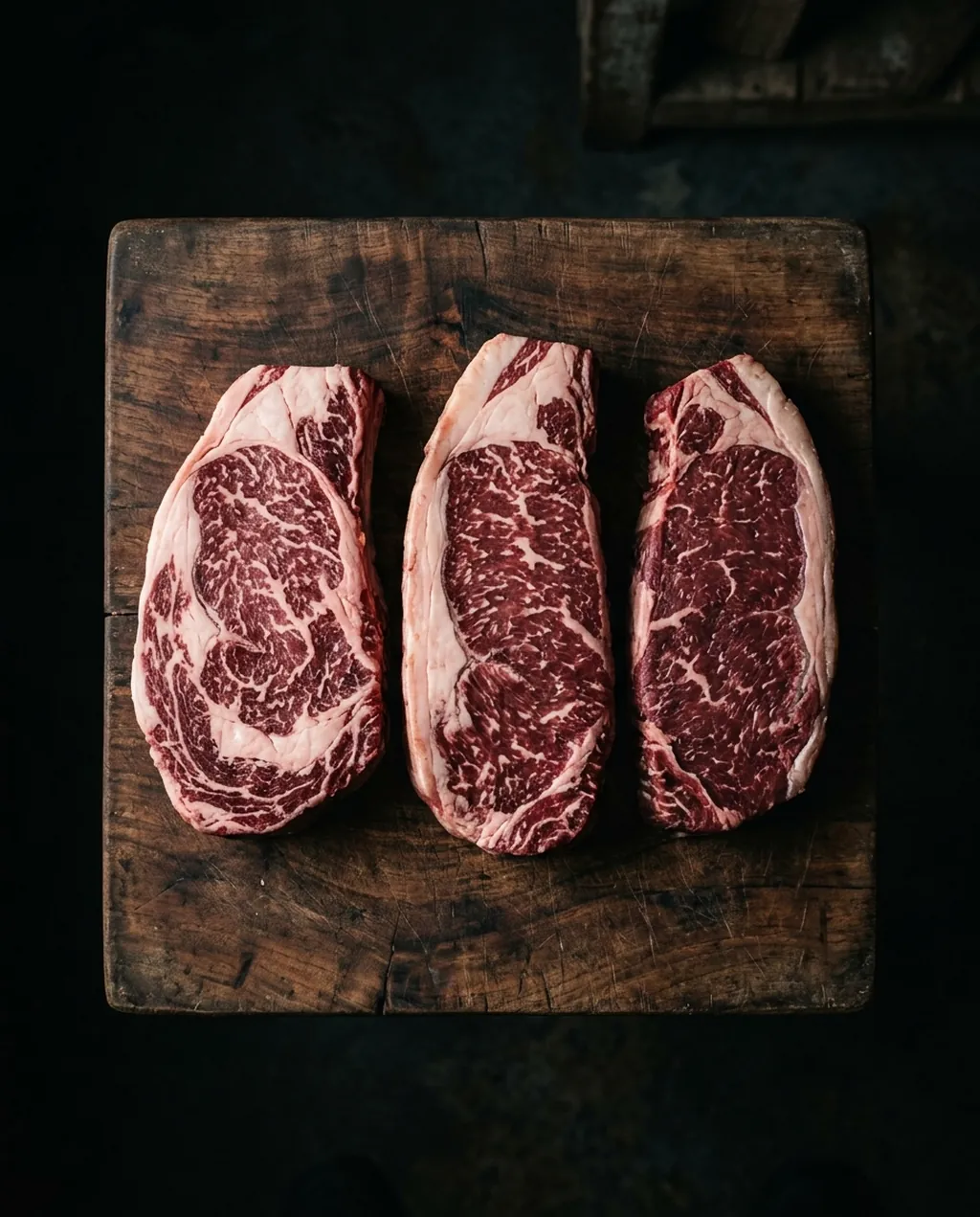
- Grain-fed — Sweeter, more buttery, more marbled. Softer eating texture. White fat. Higher intramuscular fat = higher MSA index scores at the top end.
When to pick which
For a modern-Australian menu built around lighter dressings and fresh produce, grass-fed is often the smarter pick — it doesn't compete with vinaigrettes and salads. For a steakhouse or Japanese menu built around the meat itself, grain-fed and Wagyu-cross grain-fed shine, because you want the marbling to sing.
For specific cuts
- Rump, brisket, shin, cheek — slow-cook cuts eat equally well from both feed types.
- Ribeye, scotch fillet, sirloin — grain-fed pulls ahead here; the marbling makes the difference at high heat.
- Fillet — either works. Grass-fed is cleaner; grain-fed is richer. Chef's call.
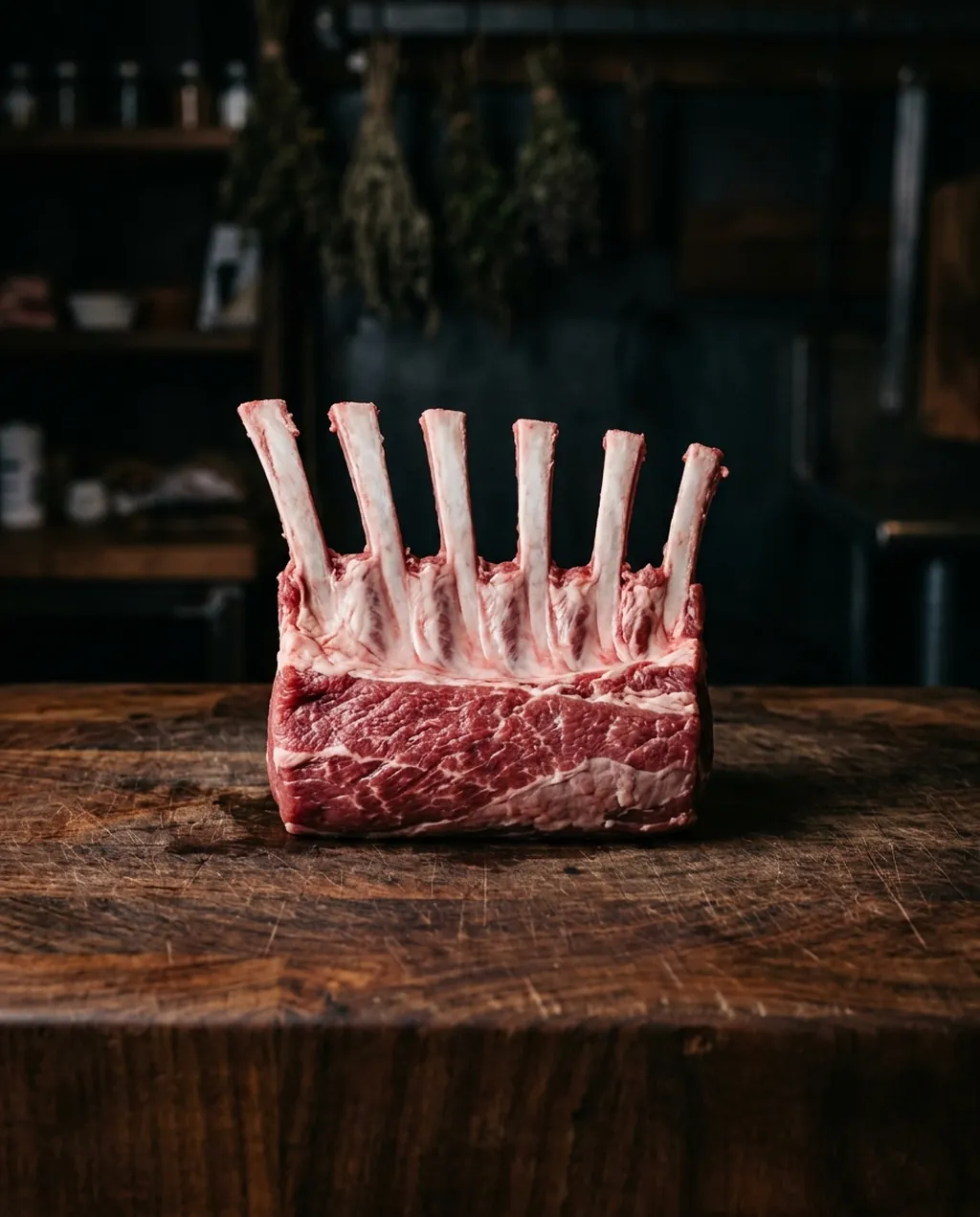
- Tomahawk — grain-fed or Wagyu-cross grain-fed. The theatre demands the marbling.
The wrong question is "which is better?" The right question is "which is better for this dish?"
What we carry
The Meat Works stocks both — MSA-graded grass-fed as the backbone of our beef line, and a curated grain-fed and Wagyu-cross range for higher-marbling dishes. Ask your account manager which finishes a specific cut you're quoting on.