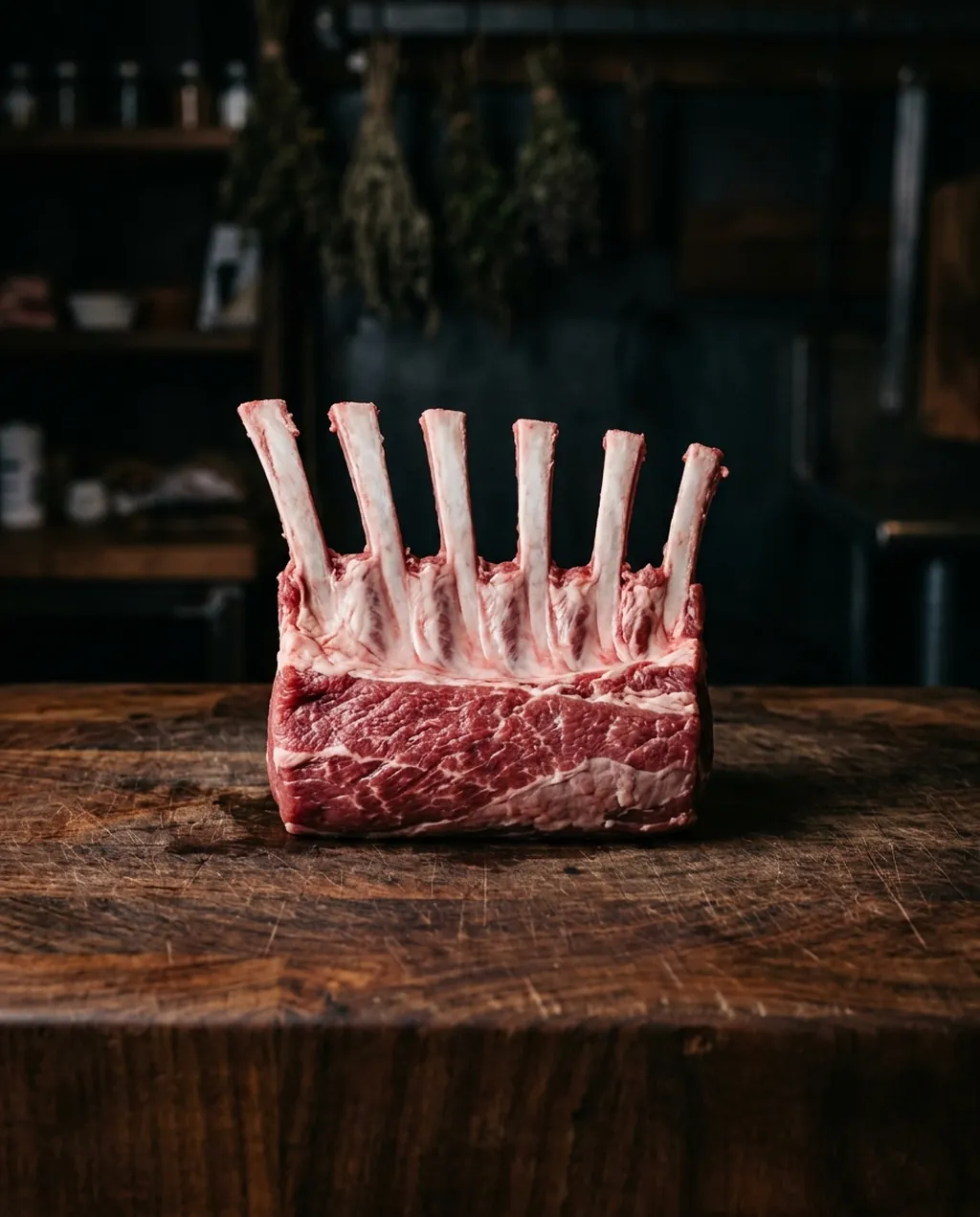
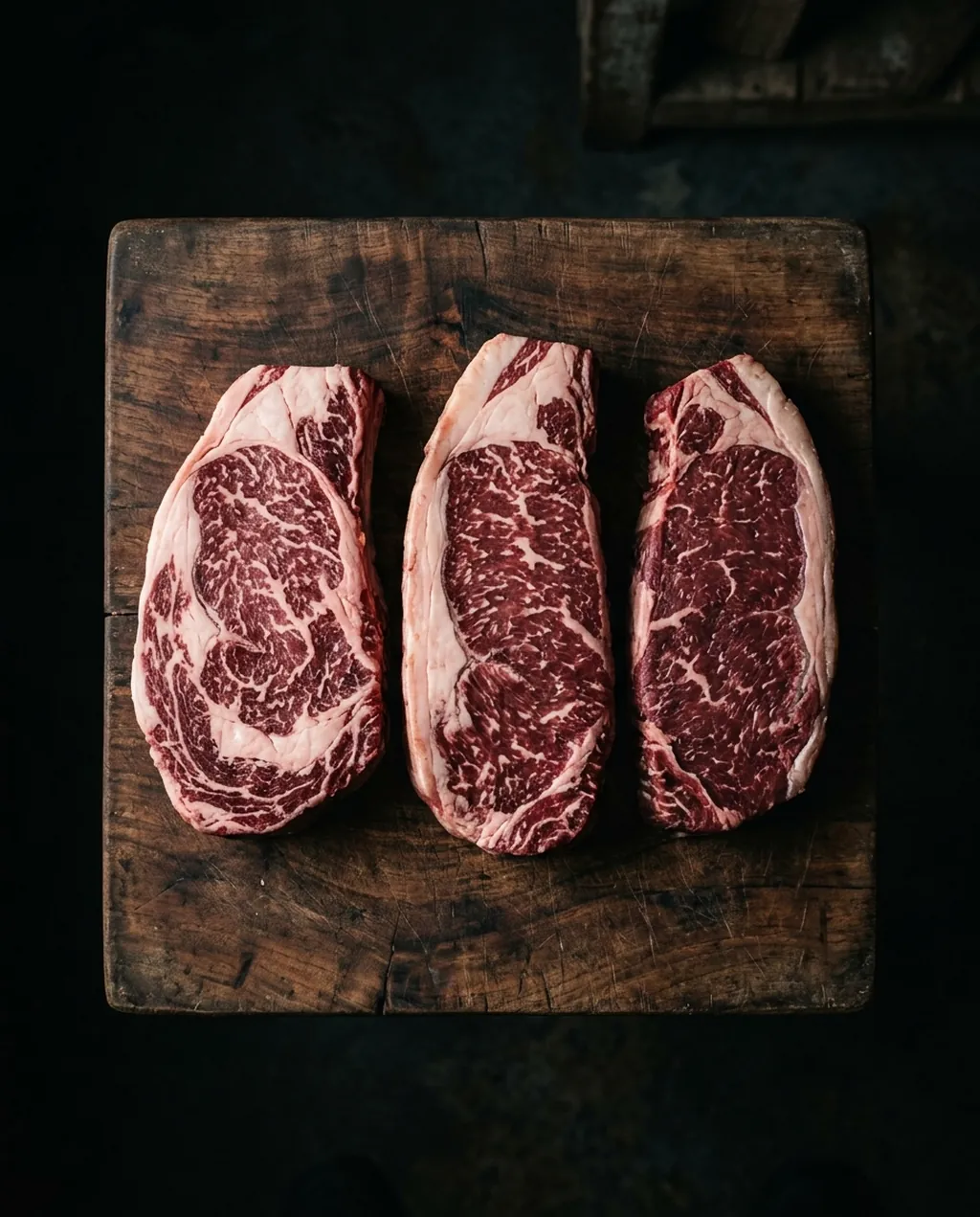
Cold-chain is the least glamorous, most decisive factor in whether the meat that arrives at your back door is worth what you paid for it. It's also the easiest thing to get wrong. Here's what a proper cold-chain looks like — and the three checks your receiving team should do every single delivery.
The window
Fresh meat needs to sit between -0.5 °C and 4 °C, ideally around 2 °C. Above 5 °C, mesophilic bacteria multiply exponentially. Below -0.5 °C, ice crystals begin to form and pierce muscle cell walls — the reason poorly-frozen meat "weeps" when it thaws.
The chain
A proper cold-chain covers every step from processing to plate:
- Post-chill boning room at 4 °C
- Blast chiller to lock in temperature before packing
- Insulated crates or cartons for transit
- Refrigerated truck at 2 °C with a data-logged cabin
- Direct chiller-to-chiller handover at your delivery point
The receiving checks (do these every time)
- Temperature probe on the surface of the meat before signing — should be below 4 °C.
- Visual check on packaging — any bloody weep or wet cardboard means the chain was compromised somewhere.
- Cross-check the delivery temperature log against the truck cab reading. Both should match within 1 °C.
What "cold-chain integrity" really costs
A single hour above 5 °C during a Perth summer commute can shave 30 % off a cut's shelf life. Most restaurants only find out three days later when the ribeye at pass looks wrong. Suppliers who take cold-chain seriously invest in reefer trucks, data logging and staff training — it shows in the invoice, and it shows on the plate.
The cheapest supplier is rarely the cheapest supplier once you count what your walk-in bin is throwing out.
Our cold-chain in Perth
Every Meat Works delivery travels at 2 °C in a data-logged reefer truck, from Malaga to your back door six days a week. Delivery dockets carry the transit temperature log so your HACCP paperwork completes itself. See our Certifications page for details on our HACCP + ISO 22000 programmes.